Rodrigo Ferreira Profilbild

Rodrigo Ferreira

Sport Psychology and Performance Specialist | MSc in Sport Psychology and Human Development

EURO 2024

- 18. Juli 2024

"Alles geschieht aus einem Grund" – Mentaltraining EURO 2024

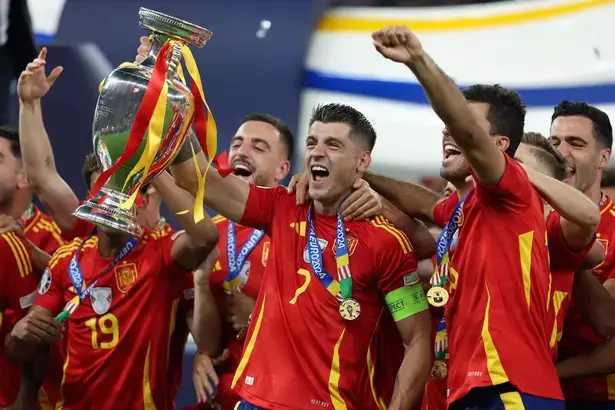
Mit dem Ende der EURO 2024 reflektieren wir die unglaubliche Reise der letzten Wochen. Das Turnier hat nicht nur spannende Spiele und herausragende Talente gezeigt, sondern auch die Bedeutung psychologischer Aspekte für den Erfolg auf dem Platz unterstrichen. Während des Turniers haben wir die Bedeutung betont, sich auf den Prozess und nicht nur auf das Ergebnis zu konzentrieren. Athleten und Trainer haben gezeigt, dass sorgfältige Vorbereitung, kontinuierliche Verbesserung und Detailgenauigkeit für Spitzenleistungen entscheidend sind. Spaniens Weg zum Sieg ist ein Beweis für dieses Prinzip. Eine Gewinnermentalität bedeutet mehr als nur den Wunsch zu gewinnen; sie umfasst Resilienz, Selbstvertrauen und den festen Glauben an die eigenen Fähigkeiten. Spanien verkörperte diese Mentalität, mit bemerkenswerter Ruhe und Entschlossenheit in jedem Spiel. Ihre Fähigkeit, unter Druck fokussiert zu bleiben und ihr unermüdliches Streben nach Exzellenz machen sie zum besten Team des Turniers. Der Sieg Spaniens bei der EURO 2024 markiert ihren Rekord für die meisten EURO-Turniersiege und festigt ihre Stellung als Macht im europäischen Fußball. Dieser Erfolg war nicht nur das Ergebnis technischer Fertigkeiten und taktischer Fähigkeiten, sondern auch ihrer kollektiven Denkweise. Jeder Spieler trug zu einer kohärenten Teamleistung bei, getragen von gemeinsamen Zielen und gegenseitiger Unterstützung. Beim Rückblick auf die Geschichten dieses Turniers trifft das Sprichwort „Alles geschieht aus einem Grund“ stark zu. Von unerwarteten Wendungen und Überraschungen bis zu Momenten individueller Brillanz hat jedes Ereignis zum reichen Geflecht der EURO 2024 beigetragen. Für Spanien spielte jede Herausforderung und jedes überwundene Hindernis eine Rolle bei ihrem endgültigen Erfolg. Diese Philosophie ermutigt uns, Rückschläge und Herausforderungen als Chancen für Wachstum und Lernen zu sehen. Wenn wir dieses Kapitel EURO 2024 schließen, nehmen wir die gelernten Lektionen mit. Konzentrieren Sie sich auf den Prozess, entwickeln Sie eine Gewinnermentalität und akzeptieren Sie, dass alles aus einem Grund geschieht. Ob im Sport oder im Leben, diese Prinzipien können uns den Weg weisen. Danke, dass Sie uns auf der psychologischen Entdeckungsreise dieses großartigen Turniers begleitet haben. Lassen Sie uns die Prinzipien der Sportpsychologie weiterhin anwenden und sowohl auf als auch neben dem Platz erfolgreich sein. Lassen Sie uns gemeinsam wachsen! 🌍⚽

18. Juli 2024
"Alles geschieht aus einem Grund" – Mentaltraining EURO 2024

EURO 2024

- 10. Juli 2024

Entscheidungsfindung und Aufmerksamkeitsfokus: Mind Games EURO 2024

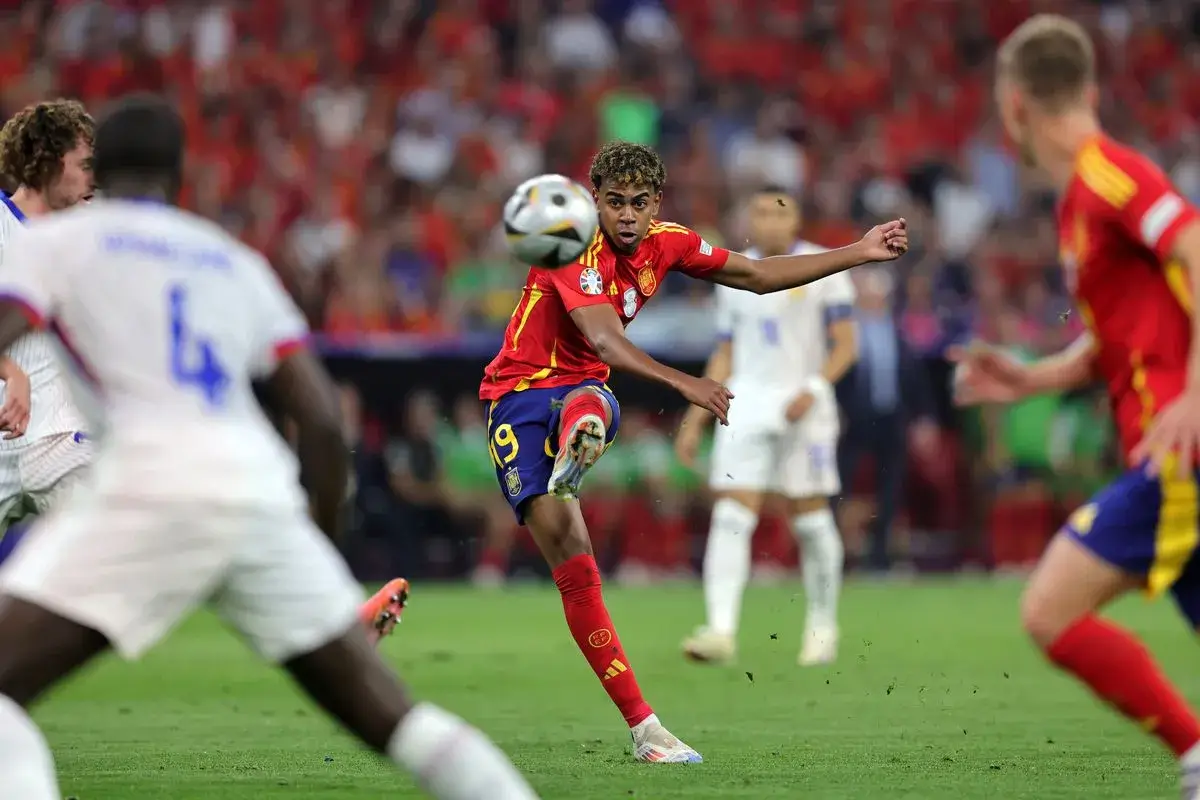
Willkommen zurück zu "Mind Games: Sportpsychologie bei EURO 2024"! Mit dem Herannahen des EURO 2024-Finales erreichen Intensität und Druck ihren Höhepunkt. Spieler und Trainer stehen vor zahlreichen Entscheidungen, die den Ausgang ihrer Spiele erheblich beeinflussen können. In diesem Beitrag untersuchen wir die Konzepte der Entscheidungsfindung und die Bedeutung des Aufmerksamkeitsfokus in Hochdrucksportarten wie EURO 2024. Entscheidungsfindung Entscheidungen im Fußball bedeuten, unter hohem Stress schnell und korrekt zu urteilen. Unentschlossenheit erzeugt Angst, und Entscheidungen zu treffen kann stressig sein. Spieler und Trainer müssen hunderte Entscheidungen während eines Spiels treffen. Neueste Forschung betont die Komplexität und Wichtigkeit von Entscheidungsfindung im Fußball. Studien zeigen, dass die Überzeugung in die eigene Entscheidungsfähigkeit eine entscheidende Rolle spielt. Spieler mit höherer Entscheidungseffizienz sind selbstbewusster und in der Lage, unter Druck effektive Entscheidungen zu treffen. Ein wichtiger Aspekt ist das Situationsbewusstsein, das es Spielern ermöglicht, das Geschehen um sie herum zu verstehen und Spielsituationen, Gegner und Wettbewerbe angemessen zu beurteilen. Aufmerksamkeitsfokus Aufmerksamkeitsfokus ist die Fähigkeit, sich auf relevante Informationen zu konzentrieren und Ablenkungen zu ignorieren. Forschung zeigt, dass dies in selektive, anhaltende und geteilte Aufmerksamkeit unterteilt werden kann. Selektive Aufmerksamkeit ermöglicht es, sich auf bestimmte Spielaspekte zu konzentrieren, wie die Ballbewegung oder Position der Mitspieler. Anhaltende Aufmerksamkeit ist entscheidend für die Dauer eines Spiels, und geteilte Aufmerksamkeit ermöglicht die Verarbeitung mehrerer Informationsquellen gleichzeitig. Praktische Tipps zur Verbesserung von Entscheidungsfindung und Aufmerksamkeitsfokus Spielplan vorbereiten: Klare Strategien und Notfallpläne erstellen. Situationsbewusstsein entwickeln: Muster erkennen und Bewegungen der Gegner antizipieren. Aufmerksamkeitsfokus trainieren: Übungen simulieren Spielsituationen. Visualisierung: Verschiedene Spielszenarien vorstellen. Ruhe bewahren unter Druck: Entspannungstechniken wie tiefes Atmen. Achtsamkeits- und kognitives Training: Fokus und Entscheidungsfähigkeit verbessern. Ereignis in Echtzeit In einem spannenden Halbfinale zeigte der 16-jährige Lamine Yamal außergewöhnlichen Fokus und Entscheidungsfähigkeit beim Ausgleichstor gegen Frankreich. Trotz Drucks und starker französischer Verteidigung blieb Yamal ruhig und konzentriert. Fazit Im Fußball ist die Fähigkeit, schnelle und effektive Entscheidungen unter Druck zu treffen, eine Kunst. EURO 2024 zeigt, dass jeder Pass, Schuss und strategische Entschluss das Ergebnis sorgfältiger Vorbereitung und scharfen Fokus ist. Lasst euch von diesen Prinzipien inspirieren, sowohl auf als auch abseits des Platzes. Wöchentliche Herausforderung Diese Woche versuchen: Situationsbewusstsein üben, indem die Umgebung aufmerksam beobachtet wird. Aufmerksamkeitsfokus durch eine konzentrierte Aktivität trainieren. Eine Hochdrucksituation visualisieren und den eigenen Plan entwickeln. Genießen wir gemeinsam die EURO 2024-Finalspiele! 🌍⚽

10. Juli 2024
Entscheidungsfindung und Aufmerksamkeitsfokus: Mind Games EURO 2024

EURO 2024

- 3. Juli 2024

Motivation und Wettbewerbsfähigkeit im Sport – Mind Games EURO 2024

Motivation und Wettbewerbsfähigkeit sind grundlegende Aspekte der menschlichen Natur. Während wir die aufregenden Spiele der EURO 2024 verfolgen, wird deutlich, dass diese Faktoren Athleten antreiben, ihr Bestes zu geben. Der Wunsch, Ziele zu erreichen, Hindernisse zu überwinden und gegen andere anzutreten, treibt die intensive Action auf dem Spielfeld an. Lassen Sie uns die Konzepte von Motivation und Wettbewerbsfähigkeit untersuchen und verstehen, wie sie den Weg der Athleten prägen. Konzepte Motivation kann definiert werden als Richtung und Intensität der Anstrengung einer Person (Sage, 1977). Um Motivation vollständig zu verstehen, muss man sowohl die Person als auch die Situation und ihre Wechselwirkung betrachten. Leistungsmotivation bezieht sich auf die Bemühungen einer Person, eine Aufgabe zu meistern, Exzellenz zu erreichen, Hindernisse zu überwinden, besser als andere zu performen und stolz auf ihr Talent zu sein. Es ist die Orientierung einer Person, nach Erfolg zu streben, bei Misserfolg durchzuhalten und stolz auf Errungenschaften zu sein (Gill, 2000). Wettbewerbsfähigkeit wird definiert als „eine Neigung, Zufriedenheit zu erlangen, wenn man sich mit einem Maßstab für Exzellenz in Anwesenheit bewertender anderer vergleicht“ (Martens, 1976). Wettbewerbsfähigkeit wird als leistungsorientiertes Verhalten im Wettbewerbskontext betrachtet, wobei soziale Bewertung eine zentrale Rolle spielt. Es ist wichtig zu erkennen, dass manche Personen in einem Kontext stark leistungsorientiert sind (z.B. Sport) und in anderen nicht (z.B. Akademisches). Leistungsmotivation und Wettbewerbsfähigkeit betreffen nicht nur das Endergebnis, sondern auch die psychologische Reise. Motivationsunterschiede beeinflussen Verhalten, Gedanken und Gefühle, darunter: • Wahl der Aktivität: Sucht man Gegner auf gleichem Niveau oder Spieler mit höherer oder niedrigerer Leistungsfähigkeit? • Anstrengung zur Zielerreichung: Wie oft trainierst du? • Intensität der Anstrengung: Wie konsequent gibst du während des Trainings dein Bestes? • Durchhaltevermögen bei Misserfolg und Rückschlägen: Arbeitet man härter oder lässt man es leichter angehen? Achievement Goal Theory (Roberts, 2012; Dweck, 1986) Laut der Achievement Goal Theory wird man durch die eigene „Interpretation“ dessen motiviert, was nötig ist, um Erfolg zu erzielen. Die Theorie besagt, dass die Zielsetzungen und die wahrgenommene Fähigkeit einer Person zusammenwirken, um ihre Motivation zu bestimmen:

3. Juli 2024
Motivation und Wettbewerbsfähigkeit im Sport – Mind Games EURO 2024

EURO 2024

- 26. Juni 2024

Coping with stress in sports - Mind Games EURO 2024

As we dive into another thrilling week of the tournament, let’s talk about something we all face, whether on the pitch or in our daily lives: stress. In the high-stakes world of competitive sports, the pressure to perform is immense, especially in a prestigious tournament like EURO 2024. With the eyes of millions watching and the weight of expectations from fans, coaches, and sponsors, the stress can feel overwhelming. The intensity of such competitions can create highly stressful situations for athletes, making effective coping strategies crucial for maintaining performance and mental health. Concepts Stress occurs when a substantial imbalance exists between the physical and psychological demands placed on an individual and that person’s response capability under conditions in which failure to meet the demand has important consequences. The stressors particular to competitions include the fear of injury, performance slumps, the expectations of others, crowd noises, external distractions, failure, and critical points in the competition. Coping can be defined as ‘‘constantly changing cognitive and behavioral efforts to manage specific external and/or internal demands that are appraised as taxing or exceeding the resources of the person’’ (Lazarus & Folkman, 1984) Coping with stress is a dynamic and recursive process that involves interactions between a person’s internal (i.e. beliefs about self, goals, and values) and external (i.e. situational) environments (Lazarus, 1999). Athletes potentially have many coping strategies at their disposal to deal with stressful situations. Researchers have identified coping categories that discriminate among different coping strategies based on their function and intention. Coping Categories • Problem-Focused Coping: Altering or managing the problem causing stress (e.g., seeking information, planning, setting goals). • Emotion-Focused Coping: Regulating emotional responses to the problem (e.g., seeking emotional support, relaxation, meditation). • Social Support Coping: Seeking assistance and emotional support from others. • Avoidance Coping: Disengaging from stressful situations. • Approach Coping: Confronting the source of stress to reduce it. • Appraisal-Focused Coping: Re-evaluating the situation to reduce its importance. Practical Coping Strategies Research by Lazarus and others has shown the effectiveness of various coping strategies in sports: 💭 Thought Control: Blocking distractions and using coping thoughts like “I can do it.” 🎯 Task Focus: Narrowing focus on specific tasks. 🗣️Rational Thinking and Self-Talk: Taking a rational approach to oneself and the situation. 🌟 Positive Focus and Orientation: Believing in one’s ability. 🤝 Social Support: Encouragement from coaches, family, and friends. 🧘‍♂️Precompetitive Mental Preparation: Mental practice, precompetition routines, and relaxation. ⏳Time Management: Making time for personal growth and daily goals. 🏋️‍♀️Training Hard and Smart: Applying work ethic and taking responsibility for training. Real Time Event Robin Gosens, excluded from Germany's Euro squad by Julian Nagelsmann, openly shared his disappointment. Speaking in a ZDF documentary, he said: "It felt like s**t. (…) When you subordinate everything to it, when it's an absolute childhood dream that then just disappears into thin air... to have that certainty, it pulls everything out from under you.”. Gosens faced immense disappointment after receiving a call from his coach and shared how talking to a psychologist helped him cope. Gosens, who holds a degree in psychology, called for a higher status for psychology in professional football and society, criticizing the stigma around mental health. Highlighting the pressures athletes face, Gosens mentioned his own tension before big games and the emotional toll of poor performances. He advocated for better mental health support to help athletes manage these challenges effectively. Conclusion Just like professional footballers at EURO 2024, we all face stressful situations that challenge us. But by adopting effective coping strategies, we can turn these challenges into opportunities for growth. Remember, stress is a part of life, but it doesn’t have to control us. Whether you’re on the field or off, you can use these techniques to stay focused, resilient, and positive. Weekly Challenge This week, try to implement one coping strategy in your own life. Maybe it’s using positive self-talk before a big meeting or seeking support from a friend when things get tough. Share your experience and how it helped you manage stress in the comments section below. Let’s thrive together! 🌍⚽

26. Juni 2024
Coping with stress in sports - Mind Games EURO 2024

EURO 2024

- 19. Juni 2024

Expectations and Resilience in Sports - EURO 2024 Mind Games

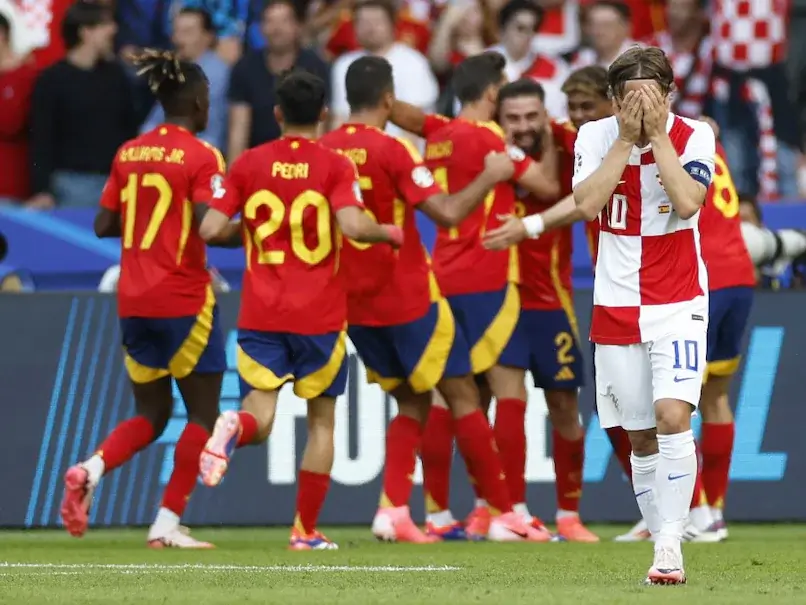
Mind Games: Sport Psychology at EURO 2024 As EURO 2024 progresses, managing expectations becomes crucial for both players and coaches. High expectations can motivate athletes to strive for excellence, while unrealistic expectations can create undue pressure and anxiety. It's important for coaches to set realistic, achievable goals and to communicate openly with their players to align expectations. Encouraging athletes to focus on their personal growth and the process rather than solely on the outcome can foster a healthier, more productive mindset. With the tournament already underway, the importance of managing expectations is more evident than ever. Teams must navigate the highs and lows of the competition, maintaining a balanced perspective. By focusing on day-to-day improvements and celebrating small victories, athletes can build momentum and confidence. Coaches should emphasize resilience and adaptability, helping players to stay mentally flexible and prepared for any challenges that arise. By managing expectations effectively, teams can enhance their performance and navigate the high-pressure environment of the European Championship with greater resilience and confidence. This approach not only improves individual performance but also fosters a cohesive, supportive team dynamic essential for success in such a competitive tournament. How Expectations Influence Performance Positive expectations for success have been shown to produce significant effects in various realms of life, including sports. When athletes expect to beat a tough opponent or successfully perform a difficult skill, they can achieve exceptional performance by overcoming psychological barriers. Your expectations of others impact not only your behavior but also the feelings and behaviors of those around you. This phenomenon is particularly evident in sports, where a coach's or teammate's confidence in an athlete can boost the athlete's own self-belief and performance. Self-efficacy, the perception of one’s ability to perform a task successfully, is a situation-specific form of self-confidence. Psychologist Albert Bandura developed a conceptual model of self-efficacy, linking confidence and expectations. Bandura later redefined self-efficacy to include beliefs about individuals’ capabilities to produce performances that lead to anticipated outcomes. This concept evolved into self-regulatory efficacy, which emphasizes one's ability to overcome obstacles or challenges to achieve successful performance. Fostering positive expectations and self-efficacy can lead to improved performance and greater overall success, as athletes feel more capable of meeting and exceeding their goals. 🌟 Coaches' Expectations and Athletes' Performance: Coaches' expectations can impact their behavior toward athletes, which in turn affects athletes' performance and behavior. High expectations can lead to more attention, better feedback, and more opportunities, enhancing performance. 💪 Athletes' Expectations and Self-Confidence: Athletes' own expectations can shape their self-confidence. Believing in their ability to succeed can boost motivation and performance. Conversely, low expectations can lead to decreased effort and performance. Practical Strategies to Manage Expectations 🎯 Set Realistic Goals: Teams and players should set specific, measurable, achievable, relevant, and time-bound (SMART) goals. For instance, a player might focus on improving their passing accuracy by 10% during the tournament. 🧠 Focus on the Process, Not Just the Outcome: Emphasize daily training and incremental improvements rather than fixating solely on winning the championship. This approach reduces pressure and fosters a growth mindset. 🗣️ Positive Self-Talk and Visualization: Athletes use visualization techniques to imagine every detail of their performance, which helps in setting positive expectations. 📢 Open Communication: Coaches should regularly communicate with their players to align expectations and provide constructive feedback. For instance, Gareth Southgate’s open and supportive communication style has been pivotal for England. 🤝 Embrace a Support System: Encourage players to lean on teammates, coaches, and staff for support. The sense of community and a safe psychological environment within teams embrace a strong support system. Resilience and Grit in Sports Resilience and grit are critical psychological traits that enable athletes to persevere through challenges, setbacks, and the pressures of high-stakes competitions like EURO 2024. Resilience is a set of skills—as opposed to a disposition or personality type—that makes it possible for people to not only get through hard times, but also to thrive during and after them. However, there is not just one prescription that works; people need to find what works best for them. Resilience is the ability to bounce back from adversity, while grit is the sustained effort towards long-term goals. Galli and Vealey (2008) interviewed athletes about their experiences with resilience in sports. Key points included: Coping Strategies: Athletes used various coping strategies to deal with unpleasant emotions such as sadness, frustration, hurt, embarrassment, anger, and confusion. Mental Toughness and Personal Resources: Determination, competitiveness, commitment, persistence, maturity, and optimism were crucial for successfully coping with adversity. Sociocultural Influences: Social support (or lack of it) was critical for resilience. Positive Outcomes: Despite the unpleasantness of coping with adversity, athletes experienced positive outcomes such as gaining perspective, motivation to help others, learning, and general strengthening from adversity. Morgan, Fletcher, and Sarkar (2013) expanded on the notion of resilience by investigating it in five elite sport teams. They defined team resilience as a “dynamic psychosocial process which protects a group of individuals from the potential negative effect of the stressors they collectively encounter.” Their findings revealed four main resilience characteristics of elite sport teams: Group Structure: Including formal structures (e.g., coaches, captains, managers), positive group norms and values, and clearly defined communication channels. Mastery Approaches: Effective behavioral responses, managing change effectively, and having a learning orientation. Social Capital: Social support, positive interpersonal interactions, and strong group identity. Collective Efficacy: Mastery experiences, group cohesion, and positive communications after failure. Practical Strategies to Build Resilience and Grit 🌱 Develop a Growth Mindset: Teach players to view challenges as opportunities for growth. Carol Dweck’s research on growth mindset highlights how believing in the ability to improve fosters resilience. 🧘 Cultivate Mental Toughness: Implement mental toughness training programs that include stress management techniques, such as mindfulness and controlled breathing. 📝 Encourage Self-Reflection: After each game, encourage players to reflect on their performance, identify areas for improvement, and set new goals. This practice helps players learn from their experiences and build resilience. 🔄 Promote Consistency and Routine: Establish consistent training routines and pre-game rituals to build discipline and stability. 🛠️ Provide Constructive Feedback: Constructive feedback helps players understand their strengths and areas for improvement. Provide specific, actionable feedback that motivates players to push through challenges. Real-Time Event: How will Croatia respond after the 3-0 defeat against Spain? Luka Modrić Luka Modrić’s journey to becoming one of the best midfielders in the world exemplifies resilience and grit. Despite facing significant challenges early in life, including displacement due to war, Modrić’s unwavering determination and hard work propelled him to the top. His ability to manage expectations and remain resilient in the face of adversity is a powerful example for aspiring athletes. Conclusion Beliefs, expectations, resilience, and grit are fundamental aspects of sport psychology that significantly impact athletic performance. By employing practical strategies to manage expectations and build resilience, athletes can enhance their mental toughness and perform at their best in high-pressure environments like EURO 2024. Stay tuned for our next post, where we will delve into performing under pressure and coping strategies in sports, exploring the importance of it in a short and demanding competition like the European Championship. 🌍⚽ Weekly Challenge: Spot Resilience and Manage Expectations 📺✨ Challenge: Until next week Wednesday (26th), watch a EURO 2024 match and focus on how players and coaches manage their expectations and demonstrate resilience. Steps to Complete the Challenge: 1. Choose a Match: Pick any EURO 2024 match to watch this week. 2. Observe: Pay close attention to moments when players face challenges or setbacks. Notice how they react and what strategies they use to stay focused. 3. Reflect: Think about how the players’ actions and attitudes can be applied to your own life. How do they manage their expectations? How do they bounce back from adversity? 4. Share: In the comments via LinkedIn, share one example of resilience or expectation management you observed during the match. Explain how it inspired you or what you learned from it.

19. Juni 2024
Expectations and Resilience in Sports - EURO 2024 Mind Games

EURO 2024

- 12. Juni 2024

Mind games: Sport Psychology at EURO 2024

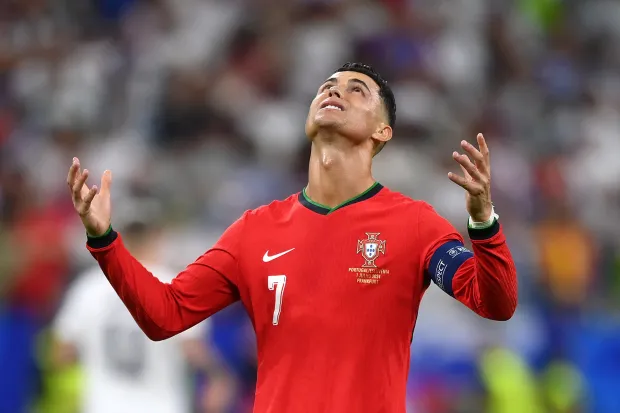
Welcome to "Mind Games: Sport Psychology at EURO 2024," a special weekly series dedicated to exploring the fascinating world of sport psychology throughout one of the most anticipated football events of the year, the UEFA European Championship 2024. As the tournament kicks off on June 14th, we will delve into the psychological intricacies that shape the performance of athletes, offering practical insights and reflecting about real-world examples to enhance your understanding and appreciation of this critical aspect of sports. What is Sport Psychology? Sport psychology is a scientific discipline that examines the mental and emotional factors influencing athletic performance. It involves the study of how psychological principles and techniques can be applied to improve performance, enhance enjoyment, and promote overall well-being in athletes. In the realm of football, sport psychology addresses a variety of elements such as motivation, confidence, focus, stress management and teamwork. The Four Dimensions of Football Football is a multifaceted sport where success depends on the harmonious interplay of four key dimensions: physical, technical, tactical, and psychological. While the physical, technical, and tactical aspects are often highlighted, the psychological dimension is equally crucial. It encompasses mental skills that enable athletes to cope with stressful situations and perform under pressure. Psychological Phenomena in Football Throughout EURO 2024, we will explore various psychological phenomena that occur before, during, and after the games. These could be divided in: Pre-Game Preparation: Mental readiness and the role of pre-game routines in enhancing focus and confidence. In-Game Dynamics: The impact of pressure, crowd influence, responding to mistakes and momentum on player performance. Post-Game Reflection: Coping with victory or defeat, and strategies for maintaining consistency throughout the tournament. 10 psychological insights as the Tournament approaches: 🧠 Visualization, Imagery and Self-Talk Example: Players like Cristiano Ronaldo have been known to use visualization techniques and positive self-talk. By mentally rehearsing specific scenarios—such as scoring a goal or making a crucial defensive play—and using affirmations, athletes can enhance their focus and confidence. 🤝 Team Cohesion and Communication Example: Successful teams like Spain's 2008-2012 era showed incredible team cohesion. Regular teambuilding activities and open communication channels fostered a strong sense of unity, which translated into fluid, coordinated play on the field. 🧘 Emotional Regulation Example: During high-pressure moments, such as penalty shootouts, players need to manage their emotions effectively. Techniques such as deep breathing and self-talk can help players stay calm and focused, as seen in Germany's historically strong performance in shootouts. 💪 Resilience and Coping with Adversity Example: In the 2020 Euro final, Italy demonstrated remarkable resilience by coming back after conceding an early goal to England. This involved maintaining a positive mindset, sticking to their game plan, and supporting each other emotionally. 🚀 Motivation and Goal Setting Example: Setting specific, measurable goals can drive player´s motivation. For instance, during the 2018 World Cup, Luka Modrić set personal and team goals that helped him stay motivated and perform at an exceptionally high level, leading Croatia to the final. 🎯 Focus and Concentration Example: Athletes like Lionel Messi demonstrate exceptional focus and concentration on the pitch. Techniques such as mindfulness and pre-game routines can help players maintain their attention on the task at hand, blocking out distractions from the crowd or opposing team. 📸 Handling Media and Public Pressure Example: Managing external pressure is crucial for high-profile players. Media training and developing a thick skin are strategies used by athletes like Harry Kane, who handle intense scrutiny while maintaining performance levels. 🏅 Leadership and Influence Example: Leaders like Virgil van Dijk exhibit psychological strength that inspires teammates. Effective leadership involves not only strategic decision-making but also emotional intelligence to support and motivate the team. 🩹 Dealing with Injuries Example: Recovering from injuries requires mental toughness. Players like Zlatan Ibrahimović have used visualization and mental rehearsal during rehabilitation to maintain a competitive mindset and expedite their return to peak performance. 🍀 Superstitions and Rituals Example: Many athletes have pre-game rituals that help them feel in control and reduce anxiety. For example, some players might wear lucky socks or follow a specific warm-up routine, which provides a sense of stability and confidence. Join us on this exciting journey as we uncover the psychological forces driving the action on the field and gain a deeper appreciation for the mental game behind every second, every moment, every match. Whether you're a football enthusiast, a scout, a coach, or simply curious about the mental side of the beautiful game, this series promises to provide valuable knowledge and engaging content. Each week, every Wednesday we will reflect about real-time events from EURO 2024, offering insights into how psychological principles are at play and how they can be applied to everyday life and sports. Are you ready to start this unexpected journey?

12. Juni 2024
Mind games: Sport Psychology at EURO 2024
Rodrigo Ferreira Profilbild
Rodrigo Ferreira

6 Artikel

Sport Psychology and Performance Specialist | MSc in Sport Psychology and Human Development

Connect
ScoutDecision Logo 9

ScoutDecision-Communities

Möchten Sie mit anderen Scouts, Analysten, Trainern oder Spielervermittlern vernetzen?

Treten Sie unserem WhatsApp-Kanal bei, um über Ideen und Möglichkeiten zu sprechen!