Rodrigo Ferreira Zdjęcie Profilowe

Rodrigo Ferreira

Sport Psychology and Performance Specialist | MSc in Sport Psychology and Human Development

EURO 2024

- 18 lipca 2024

"Wszystko dzieje się z jakiegoś powodu" – Gry mentalne EURO 2024

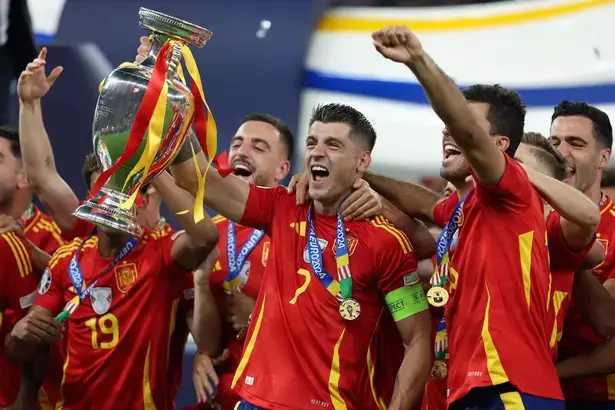
Gdy EURO 2024 dobiegło końca, reflektujemy nad niesamowitą podróżą ostatnich tygodni. Turniej nie tylko dostarczył emocjonujących meczów i wyjątkowych talentów, ale także podkreślił znaczenie aspektów psychologicznych w osiąganiu sukcesu na boisku. Przez cały turniej kładliśmy nacisk na znaczenie koncentracji na procesie, a nie tylko na wyniku. Zawodnicy i trenerzy pokazali, że staranna przygotowanie, ciągłe doskonalenie i dbałość o szczegóły są niezbędne dla osiągnięcia najwyższej formy. Droga Hiszpanii do zwycięstwa jest tego najlepszym przykładem. Mentalność zwycięzcy to coś więcej niż chęć wygranej; to odporność, pewność siebie i niezachwiana wiara we własne możliwości. Hiszpania wykazała tę mentalność, prezentując niezwykły spokój i determinację w każdym meczu. Ich zdolność do koncentracji pod presją oraz nieustanne dążenie do doskonałości wyróżniły ich jako najlepszą drużynę turnieju. Zwycięstwo Hiszpanii w EURO 2024 ustanowiło rekord pod względem największej liczby triumfów w mistrzostwach Europy, umacniając ich pozycję potęgi w europejskiej piłce nożnej. To osiągnięcie było wynikiem nie tylko umiejętności technicznych i taktycznych, ale także wspólnej mentalności zespołu. Każdy zawodnik przyczynił się do spójnej pracy zespołowej, kierowanej wspólnymi celami i wzajemnym wsparciem. Reflektując nad historiami tego turnieju, powiedzenie „wszystko dzieje się z jakiegoś powodu” brzmi wyjątkowo prawdziwie. Od nieoczekiwanych zwrotów i niespodzianek po momenty indywidualnej błyskotliwości, każde zdarzenie przyczyniło się do bogatej opowieści EURO 2024. Dla Hiszpanii każda napotkana trudność i pokonane przeszkody odegrały rolę w ich ostatecznym sukcesie. Ta filozofia zachęca nas do postrzegania przeciwności i wyzwań jako okazji do rozwoju i nauki. Zamykając rozdział EURO 2024, przenieśmy ze sobą zdobyte lekcje. Skupiajmy się na procesie, rozwijajmy mentalność zwycięzcy i pamiętajmy, że wszystko dzieje się z jakiegoś powodu. Niezależnie od tego, czy w sporcie, czy w życiu, te zasady mogą nas prowadzić naprzód. Dziękujemy, że towarzyszyliście nam w zgłębianiu psychologicznych aspektów tego wspaniałego turnieju. Kontynuujmy stosowanie zasad psychologii sportu i rozwijajmy się zarówno na boisku, jak i poza nim. Rośnijmy razem! 🌍⚽

18 lipca 2024
"Wszystko dzieje się z jakiegoś powodu" – Gry mentalne EURO 2024

EURO 2024

- 10 lipca 2024

Podejmowanie Decyzji i Skupienie Uwagi: Mind Games EURO 2024

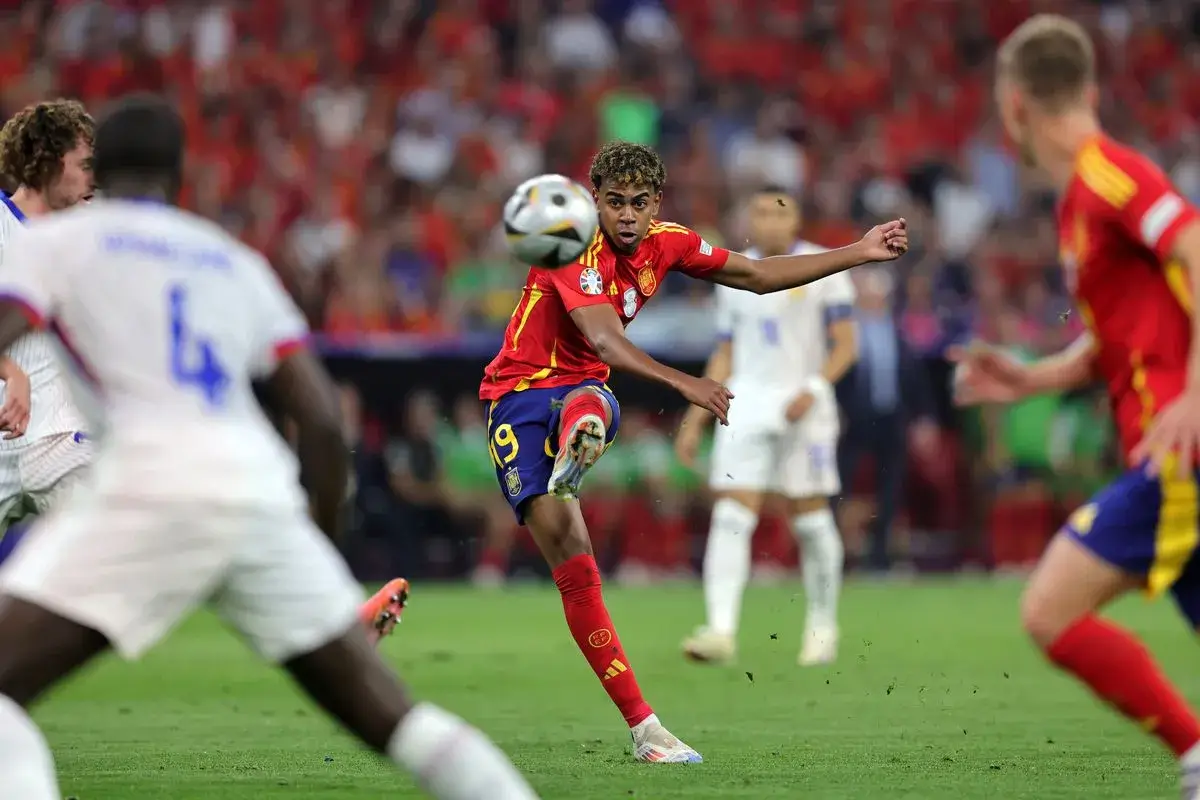
Witamy ponownie w "Mind Games: Psychologia Sportu na EURO 2024"! Wraz z nadchodzącym finałem EURO 2024, intensywność i presja osiągają szczyt. Zawodnicy i trenerzy muszą podejmować wiele decyzji, które mogą znacząco wpłynąć na wynik meczów. W tym artykule omówimy pojęcia podejmowania decyzji i znaczenie skupienia uwagi w wysokociśnieniowych rozgrywkach sportowych, takich jak EURO 2024. Podejmowanie decyzji Podejmowanie decyzji w piłce nożnej polega na szybkim i trafnym ocenianiu sytuacji w warunkach dużego stresu. Niezdecydowanie wywołuje lęk, a sam proces podejmowania decyzji bywa stresujący. Zawodnicy i trenerzy podejmują setki decyzji podczas meczu. Badania w psychologii sportu podkreślają złożoność i znaczenie podejmowania decyzji w piłce nożnej. Skuteczność decyzyjna, czyli wiara w własne umiejętności podejmowania decyzji, odgrywa kluczową rolę w wynikach. Zawodnicy o wysokiej skuteczności decyzyjnej są pewniejsi siebie i potrafią skutecznie wybierać pod presją. Ważnym aspektem jest świadomość sytuacyjna, pozwalająca zawodnikom zrozumieć, co dzieje się wokół nich, ocenić sytuacje w grze, przeciwników i przebieg rywalizacji, aby podejmować właściwe decyzje w warunkach presji czasu. Skupienie uwagi Skupienie uwagi oznacza zdolność koncentracji na istotnych informacjach i ignorowania rozproszeń. Badania wykazały, że skupienie uwagi można podzielić na selektywne, podtrzymywane i dzielone. Selektywna uwaga pozwala skupić się na określonych aspektach gry, np. ruchu piłki lub pozycji kolegów z drużyny, ignorując nieistotne bodźce. Podtrzymywana uwaga jest kluczowa przez cały mecz, a dzielona pozwala przetwarzać kilka źródeł informacji jednocześnie. Praktyczne wskazówki Przygotuj plan gry: jasna strategia i plan B zmniejszają stres decyzyjny. Rozwijaj świadomość sytuacyjną: ćwicz rozpoznawanie wzorców i przewidywanie ruchów przeciwników. Trenuj skupienie uwagi: używaj ćwiczeń symulujących warunki meczowe. Wizualizacja: wyobrażaj sobie różne scenariusze i reakcje. Zachowaj spokój pod presją: stosuj techniki relaksacyjne, np. głębokie oddychanie. Mindfulness i trening poznawczy: poprawiają koncentrację i podejmowanie decyzji pod presją. Przykład w czasie rzeczywistym W emocjonującym półfinale 16-letni Lamine Yamal wykazał wyjątkowe skupienie uwagi i umiejętność podejmowania decyzji, zdobywając gola na wyrównanie przeciwko Francji. Mimo presji i silnej obrony, pozostał opanowany, co umożliwiło sukces. Wnioski W piłce nożnej zdolność szybkiego i skutecznego podejmowania decyzji pod presją to sztuka. EURO 2024 pokazuje, że każdy podanie, strzał i decyzja strategiczna jest wynikiem przygotowania i koncentracji. Niech te zasady inspirują Twoje decyzje i skupienie, zarówno na boisku, jak i poza nim. Tygodniowe wyzwanie W tym tygodniu spróbuj: Ćwiczyć świadomość sytuacyjną poprzez obserwację otoczenia. Rozwijać skupienie uwagi w zadaniu wymagającym koncentracji. Wizualizować sytuację pod presją i planować reakcję. Cieszmy się razem finałami EURO 2024! 🌍⚽

10 lipca 2024
Podejmowanie Decyzji i Skupienie Uwagi: Mind Games EURO 2024

EURO 2024

- 3 lipca 2024

Motywacja i Rywalizacja w Sporcie – Mind Games EURO 2024

Motywacja i rywalizacja są fundamentalnymi aspektami ludzkiej natury. Obserwując ekscytujące mecze EURO 2024, widać wyraźnie, że te elementy napędzają sportowców do osiągania najlepszych wyników. Chęć osiągnięcia celu, pokonywania przeszkód i rywalizacji z innymi napędza intensywne wydarzenia na boisku. Przyjrzyjmy się koncepcjom motywacji i rywalizacji i zrozummy, jak kształtują one drogę sportowców. Koncepcje Motywację można zdefiniować jako kierunek i intensywność wysiłku (Sage, 1977). Aby w pełni ją zrozumieć, należy wziąć pod uwagę zarówno osobę, jak i sytuację oraz ich wzajemne oddziaływanie. Motywacja osiągnięć odnosi się do wysiłków osoby mających na celu opanowanie zadania, osiągnięcie doskonałości, pokonanie przeszkód, przewyższenie innych i odczuwanie dumy z wykorzystania swoich talentów. Jest to orientacja na osiąganie sukcesu, wytrwałość w obliczu porażek i duma z osiągnięć (Gill, 2000). Rywalizacja definiowana jest jako „skłonność do dążenia do satysfakcji poprzez porównanie się z określonym standardem doskonałości w obecności oceniających innych” (Martens, 1976). Rywalizacja jest zachowaniem osiągnięć w kontekście konkurencyjnym, przy czym ocena społeczna odgrywa kluczową rolę. Ważne jest, aby zauważyć, że niektóre osoby są bardzo zorientowane na osiągnięcia w jednym kontekście (np. sportowym), ale nie w innych (np. akademickim). Motywacja osiągnięć i rywalizacja dotyczą nie tylko końcowego wyniku, ale także psychologicznej drogi. Różnice w motywacji wpływają na zachowania, myśli i uczucia, w tym: • Wybór aktywności: Czy szukasz przeciwników o podobnych umiejętnościach, czy chcesz grać z silniejszymi/słabszymi zawodnikami? • Wysiłek w dążeniu do celów: Jak często trenujesz? • Intensywność wysiłku: Jak bardzo starasz się podczas treningu? • Wytrwałość w obliczu porażek i trudności: Kiedy jest ciężko, pracujesz bardziej czy lżej? Achievement Goal Theory (Roberts, 2012; Dweck, 1986) Według teorii celów osiągnięć, motywacja wynika z „interpretacji” tego, co jest potrzebne do osiągnięcia sukcesu. Teoria wskazuje, że cele osiągnięć i postrzegana zdolność danej osoby współdziałają, aby określić jej motywację:

3 lipca 2024
Motywacja i Rywalizacja w Sporcie – Mind Games EURO 2024

EURO 2024

- 26 czerwca 2024

Coping with stress in sports - Mind Games EURO 2024

As we dive into another thrilling week of the tournament, let’s talk about something we all face, whether on the pitch or in our daily lives: stress. In the high-stakes world of competitive sports, the pressure to perform is immense, especially in a prestigious tournament like EURO 2024. With the eyes of millions watching and the weight of expectations from fans, coaches, and sponsors, the stress can feel overwhelming. The intensity of such competitions can create highly stressful situations for athletes, making effective coping strategies crucial for maintaining performance and mental health. Concepts Stress occurs when a substantial imbalance exists between the physical and psychological demands placed on an individual and that person’s response capability under conditions in which failure to meet the demand has important consequences. The stressors particular to competitions include the fear of injury, performance slumps, the expectations of others, crowd noises, external distractions, failure, and critical points in the competition. Coping can be defined as ‘‘constantly changing cognitive and behavioral efforts to manage specific external and/or internal demands that are appraised as taxing or exceeding the resources of the person’’ (Lazarus & Folkman, 1984) Coping with stress is a dynamic and recursive process that involves interactions between a person’s internal (i.e. beliefs about self, goals, and values) and external (i.e. situational) environments (Lazarus, 1999). Athletes potentially have many coping strategies at their disposal to deal with stressful situations. Researchers have identified coping categories that discriminate among different coping strategies based on their function and intention. Coping Categories • Problem-Focused Coping: Altering or managing the problem causing stress (e.g., seeking information, planning, setting goals). • Emotion-Focused Coping: Regulating emotional responses to the problem (e.g., seeking emotional support, relaxation, meditation). • Social Support Coping: Seeking assistance and emotional support from others. • Avoidance Coping: Disengaging from stressful situations. • Approach Coping: Confronting the source of stress to reduce it. • Appraisal-Focused Coping: Re-evaluating the situation to reduce its importance. Practical Coping Strategies Research by Lazarus and others has shown the effectiveness of various coping strategies in sports: 💭 Thought Control: Blocking distractions and using coping thoughts like “I can do it.” 🎯 Task Focus: Narrowing focus on specific tasks. 🗣️Rational Thinking and Self-Talk: Taking a rational approach to oneself and the situation. 🌟 Positive Focus and Orientation: Believing in one’s ability. 🤝 Social Support: Encouragement from coaches, family, and friends. 🧘‍♂️Precompetitive Mental Preparation: Mental practice, precompetition routines, and relaxation. ⏳Time Management: Making time for personal growth and daily goals. 🏋️‍♀️Training Hard and Smart: Applying work ethic and taking responsibility for training. Real Time Event Robin Gosens, excluded from Germany's Euro squad by Julian Nagelsmann, openly shared his disappointment. Speaking in a ZDF documentary, he said: "It felt like s**t. (…) When you subordinate everything to it, when it's an absolute childhood dream that then just disappears into thin air... to have that certainty, it pulls everything out from under you.”. Gosens faced immense disappointment after receiving a call from his coach and shared how talking to a psychologist helped him cope. Gosens, who holds a degree in psychology, called for a higher status for psychology in professional football and society, criticizing the stigma around mental health. Highlighting the pressures athletes face, Gosens mentioned his own tension before big games and the emotional toll of poor performances. He advocated for better mental health support to help athletes manage these challenges effectively. Conclusion Just like professional footballers at EURO 2024, we all face stressful situations that challenge us. But by adopting effective coping strategies, we can turn these challenges into opportunities for growth. Remember, stress is a part of life, but it doesn’t have to control us. Whether you’re on the field or off, you can use these techniques to stay focused, resilient, and positive. Weekly Challenge This week, try to implement one coping strategy in your own life. Maybe it’s using positive self-talk before a big meeting or seeking support from a friend when things get tough. Share your experience and how it helped you manage stress in the comments section below. Let’s thrive together! 🌍⚽

26 czerwca 2024
Coping with stress in sports - Mind Games EURO 2024

EURO 2024

- 19 czerwca 2024

Expectations and Resilience in Sports - EURO 2024 Mind Games

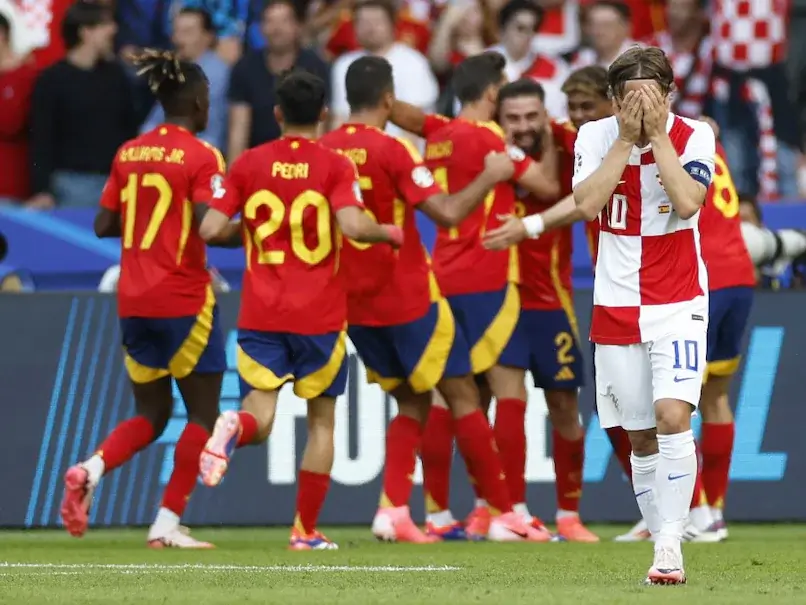
Mind Games: Sport Psychology at EURO 2024 As EURO 2024 progresses, managing expectations becomes crucial for both players and coaches. High expectations can motivate athletes to strive for excellence, while unrealistic expectations can create undue pressure and anxiety. It's important for coaches to set realistic, achievable goals and to communicate openly with their players to align expectations. Encouraging athletes to focus on their personal growth and the process rather than solely on the outcome can foster a healthier, more productive mindset. With the tournament already underway, the importance of managing expectations is more evident than ever. Teams must navigate the highs and lows of the competition, maintaining a balanced perspective. By focusing on day-to-day improvements and celebrating small victories, athletes can build momentum and confidence. Coaches should emphasize resilience and adaptability, helping players to stay mentally flexible and prepared for any challenges that arise. By managing expectations effectively, teams can enhance their performance and navigate the high-pressure environment of the European Championship with greater resilience and confidence. This approach not only improves individual performance but also fosters a cohesive, supportive team dynamic essential for success in such a competitive tournament. How Expectations Influence Performance Positive expectations for success have been shown to produce significant effects in various realms of life, including sports. When athletes expect to beat a tough opponent or successfully perform a difficult skill, they can achieve exceptional performance by overcoming psychological barriers. Your expectations of others impact not only your behavior but also the feelings and behaviors of those around you. This phenomenon is particularly evident in sports, where a coach's or teammate's confidence in an athlete can boost the athlete's own self-belief and performance. Self-efficacy, the perception of one’s ability to perform a task successfully, is a situation-specific form of self-confidence. Psychologist Albert Bandura developed a conceptual model of self-efficacy, linking confidence and expectations. Bandura later redefined self-efficacy to include beliefs about individuals’ capabilities to produce performances that lead to anticipated outcomes. This concept evolved into self-regulatory efficacy, which emphasizes one's ability to overcome obstacles or challenges to achieve successful performance. Fostering positive expectations and self-efficacy can lead to improved performance and greater overall success, as athletes feel more capable of meeting and exceeding their goals. 🌟 Coaches' Expectations and Athletes' Performance: Coaches' expectations can impact their behavior toward athletes, which in turn affects athletes' performance and behavior. High expectations can lead to more attention, better feedback, and more opportunities, enhancing performance. 💪 Athletes' Expectations and Self-Confidence: Athletes' own expectations can shape their self-confidence. Believing in their ability to succeed can boost motivation and performance. Conversely, low expectations can lead to decreased effort and performance. Practical Strategies to Manage Expectations 🎯 Set Realistic Goals: Teams and players should set specific, measurable, achievable, relevant, and time-bound (SMART) goals. For instance, a player might focus on improving their passing accuracy by 10% during the tournament. 🧠 Focus on the Process, Not Just the Outcome: Emphasize daily training and incremental improvements rather than fixating solely on winning the championship. This approach reduces pressure and fosters a growth mindset. 🗣️ Positive Self-Talk and Visualization: Athletes use visualization techniques to imagine every detail of their performance, which helps in setting positive expectations. 📢 Open Communication: Coaches should regularly communicate with their players to align expectations and provide constructive feedback. For instance, Gareth Southgate’s open and supportive communication style has been pivotal for England. 🤝 Embrace a Support System: Encourage players to lean on teammates, coaches, and staff for support. The sense of community and a safe psychological environment within teams embrace a strong support system. Resilience and Grit in Sports Resilience and grit are critical psychological traits that enable athletes to persevere through challenges, setbacks, and the pressures of high-stakes competitions like EURO 2024. Resilience is a set of skills—as opposed to a disposition or personality type—that makes it possible for people to not only get through hard times, but also to thrive during and after them. However, there is not just one prescription that works; people need to find what works best for them. Resilience is the ability to bounce back from adversity, while grit is the sustained effort towards long-term goals. Galli and Vealey (2008) interviewed athletes about their experiences with resilience in sports. Key points included: Coping Strategies: Athletes used various coping strategies to deal with unpleasant emotions such as sadness, frustration, hurt, embarrassment, anger, and confusion. Mental Toughness and Personal Resources: Determination, competitiveness, commitment, persistence, maturity, and optimism were crucial for successfully coping with adversity. Sociocultural Influences: Social support (or lack of it) was critical for resilience. Positive Outcomes: Despite the unpleasantness of coping with adversity, athletes experienced positive outcomes such as gaining perspective, motivation to help others, learning, and general strengthening from adversity. Morgan, Fletcher, and Sarkar (2013) expanded on the notion of resilience by investigating it in five elite sport teams. They defined team resilience as a “dynamic psychosocial process which protects a group of individuals from the potential negative effect of the stressors they collectively encounter.” Their findings revealed four main resilience characteristics of elite sport teams: Group Structure: Including formal structures (e.g., coaches, captains, managers), positive group norms and values, and clearly defined communication channels. Mastery Approaches: Effective behavioral responses, managing change effectively, and having a learning orientation. Social Capital: Social support, positive interpersonal interactions, and strong group identity. Collective Efficacy: Mastery experiences, group cohesion, and positive communications after failure. Practical Strategies to Build Resilience and Grit 🌱 Develop a Growth Mindset: Teach players to view challenges as opportunities for growth. Carol Dweck’s research on growth mindset highlights how believing in the ability to improve fosters resilience. 🧘 Cultivate Mental Toughness: Implement mental toughness training programs that include stress management techniques, such as mindfulness and controlled breathing. 📝 Encourage Self-Reflection: After each game, encourage players to reflect on their performance, identify areas for improvement, and set new goals. This practice helps players learn from their experiences and build resilience. 🔄 Promote Consistency and Routine: Establish consistent training routines and pre-game rituals to build discipline and stability. 🛠️ Provide Constructive Feedback: Constructive feedback helps players understand their strengths and areas for improvement. Provide specific, actionable feedback that motivates players to push through challenges. Real-Time Event: How will Croatia respond after the 3-0 defeat against Spain? Luka Modrić Luka Modrić’s journey to becoming one of the best midfielders in the world exemplifies resilience and grit. Despite facing significant challenges early in life, including displacement due to war, Modrić’s unwavering determination and hard work propelled him to the top. His ability to manage expectations and remain resilient in the face of adversity is a powerful example for aspiring athletes. Conclusion Beliefs, expectations, resilience, and grit are fundamental aspects of sport psychology that significantly impact athletic performance. By employing practical strategies to manage expectations and build resilience, athletes can enhance their mental toughness and perform at their best in high-pressure environments like EURO 2024. Stay tuned for our next post, where we will delve into performing under pressure and coping strategies in sports, exploring the importance of it in a short and demanding competition like the European Championship. 🌍⚽ Weekly Challenge: Spot Resilience and Manage Expectations 📺✨ Challenge: Until next week Wednesday (26th), watch a EURO 2024 match and focus on how players and coaches manage their expectations and demonstrate resilience. Steps to Complete the Challenge: 1. Choose a Match: Pick any EURO 2024 match to watch this week. 2. Observe: Pay close attention to moments when players face challenges or setbacks. Notice how they react and what strategies they use to stay focused. 3. Reflect: Think about how the players’ actions and attitudes can be applied to your own life. How do they manage their expectations? How do they bounce back from adversity? 4. Share: In the comments via LinkedIn, share one example of resilience or expectation management you observed during the match. Explain how it inspired you or what you learned from it.

19 czerwca 2024
Expectations and Resilience in Sports - EURO 2024 Mind Games

EURO 2024

- 12 czerwca 2024

Mind games: Sport Psychology at EURO 2024

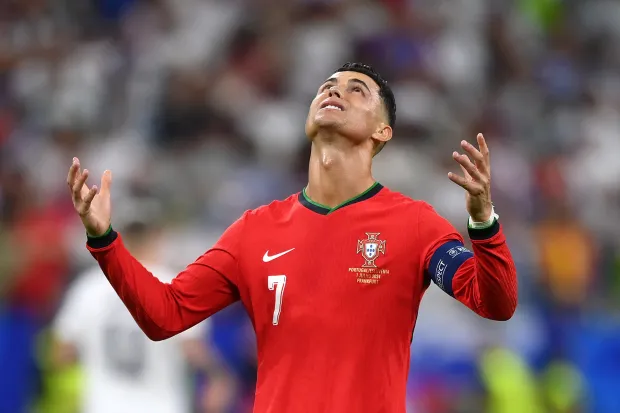
Welcome to "Mind Games: Sport Psychology at EURO 2024," a special weekly series dedicated to exploring the fascinating world of sport psychology throughout one of the most anticipated football events of the year, the UEFA European Championship 2024. As the tournament kicks off on June 14th, we will delve into the psychological intricacies that shape the performance of athletes, offering practical insights and reflecting about real-world examples to enhance your understanding and appreciation of this critical aspect of sports. What is Sport Psychology? Sport psychology is a scientific discipline that examines the mental and emotional factors influencing athletic performance. It involves the study of how psychological principles and techniques can be applied to improve performance, enhance enjoyment, and promote overall well-being in athletes. In the realm of football, sport psychology addresses a variety of elements such as motivation, confidence, focus, stress management and teamwork. The Four Dimensions of Football Football is a multifaceted sport where success depends on the harmonious interplay of four key dimensions: physical, technical, tactical, and psychological. While the physical, technical, and tactical aspects are often highlighted, the psychological dimension is equally crucial. It encompasses mental skills that enable athletes to cope with stressful situations and perform under pressure. Psychological Phenomena in Football Throughout EURO 2024, we will explore various psychological phenomena that occur before, during, and after the games. These could be divided in: Pre-Game Preparation: Mental readiness and the role of pre-game routines in enhancing focus and confidence. In-Game Dynamics: The impact of pressure, crowd influence, responding to mistakes and momentum on player performance. Post-Game Reflection: Coping with victory or defeat, and strategies for maintaining consistency throughout the tournament. 10 psychological insights as the Tournament approaches: 🧠 Visualization, Imagery and Self-Talk Example: Players like Cristiano Ronaldo have been known to use visualization techniques and positive self-talk. By mentally rehearsing specific scenarios—such as scoring a goal or making a crucial defensive play—and using affirmations, athletes can enhance their focus and confidence. 🤝 Team Cohesion and Communication Example: Successful teams like Spain's 2008-2012 era showed incredible team cohesion. Regular teambuilding activities and open communication channels fostered a strong sense of unity, which translated into fluid, coordinated play on the field. 🧘 Emotional Regulation Example: During high-pressure moments, such as penalty shootouts, players need to manage their emotions effectively. Techniques such as deep breathing and self-talk can help players stay calm and focused, as seen in Germany's historically strong performance in shootouts. 💪 Resilience and Coping with Adversity Example: In the 2020 Euro final, Italy demonstrated remarkable resilience by coming back after conceding an early goal to England. This involved maintaining a positive mindset, sticking to their game plan, and supporting each other emotionally. 🚀 Motivation and Goal Setting Example: Setting specific, measurable goals can drive player´s motivation. For instance, during the 2018 World Cup, Luka Modrić set personal and team goals that helped him stay motivated and perform at an exceptionally high level, leading Croatia to the final. 🎯 Focus and Concentration Example: Athletes like Lionel Messi demonstrate exceptional focus and concentration on the pitch. Techniques such as mindfulness and pre-game routines can help players maintain their attention on the task at hand, blocking out distractions from the crowd or opposing team. 📸 Handling Media and Public Pressure Example: Managing external pressure is crucial for high-profile players. Media training and developing a thick skin are strategies used by athletes like Harry Kane, who handle intense scrutiny while maintaining performance levels. 🏅 Leadership and Influence Example: Leaders like Virgil van Dijk exhibit psychological strength that inspires teammates. Effective leadership involves not only strategic decision-making but also emotional intelligence to support and motivate the team. 🩹 Dealing with Injuries Example: Recovering from injuries requires mental toughness. Players like Zlatan Ibrahimović have used visualization and mental rehearsal during rehabilitation to maintain a competitive mindset and expedite their return to peak performance. 🍀 Superstitions and Rituals Example: Many athletes have pre-game rituals that help them feel in control and reduce anxiety. For example, some players might wear lucky socks or follow a specific warm-up routine, which provides a sense of stability and confidence. Join us on this exciting journey as we uncover the psychological forces driving the action on the field and gain a deeper appreciation for the mental game behind every second, every moment, every match. Whether you're a football enthusiast, a scout, a coach, or simply curious about the mental side of the beautiful game, this series promises to provide valuable knowledge and engaging content. Each week, every Wednesday we will reflect about real-time events from EURO 2024, offering insights into how psychological principles are at play and how they can be applied to everyday life and sports. Are you ready to start this unexpected journey?

12 czerwca 2024
Mind games: Sport Psychology at EURO 2024
Rodrigo Ferreira Zdjęcie Profilowe
Rodrigo Ferreira

6 Artykuły

Sport Psychology and Performance Specialist | MSc in Sport Psychology and Human Development

Connect
ScoutDecision Logo 9

Społeczności ScoutDecision

Chcesz połączyć się z innymi Scoutami, Analitykami, Trenerami lub Agentami?

Dołącz do naszego kanału WhatsApp, aby rozmawiać o pomysłach i możliwościach!